
Volvo Penta Coolant: Complete Guide to Maintenance, Replacement & Purchase
Volvo Penta coolant is essential for keeping your marine engine running efficiently and avoiding costly repairs. Using the correct coolant type, maintaining proper levels, and replacing it on time ensures your engine avoids overheating, corrosion, and sludge formation. This guide will provide everything you need to know about Volvo Penta coolant, including types, replacement schedules, maintenance tips, troubleshooting, safety, and where to purchase high-quality products from MPS.
💧 Why Volvo Penta Coolant is Essential
Coolant is more than just a liquid that keeps your engine from overheating. A properly maintained system with the right Volvo Penta coolant ensures:
- Prevention of overheating and cavitation, protecting pumps, hoses, and the engine block.
- Protection against corrosion in the engine block, heat exchanger, pipes, and water pump.
- Lubrication of the water pump to ensure smooth circulation.
- Optimal temperature control, raising the boiling point and lowering the freezing point to handle extreme climates.
🔬 What is Volvo Penta Coolant and How It Works
Volvo Penta coolant is a mixture of water and ethylene glycol or propylene glycol combined with advanced additives to protect your engine. Additive types include:
- IAT (Inorganic Additive Technology)
- OAT (Organic Additive Technology)
- HOAT (Hybrid Organic Additive Technology)
Volvo Penta OEM-approved types include VCS-2 Yellow and Ready-Mixed Green, specifically formulated to protect marine engines in harsh environments. Using the correct type ensures long-lasting protection against rust, cavitation, and overheating.
🧪 How to Choose the Right Volvo Penta Coolant
- Always follow the OEM specification listed on your engine plate or manual.
- Never mix incompatible coolant types, especially OAT with EG-based coolant, to avoid sludge formation.
- Color alone is not a reliable indicator of coolant type.
- Consider your climate and frost protection needs (-25°C to -36°C).
- Volvo Penta ready-mixed coolants are pre-diluted; no additional mixing is required.
- When in doubt, always consult a certified marine mechanic.
⏱ When and How Often to Replace Volvo Penta Coolant
Replace Volvo Penta coolant every 2–4 years, depending on engine usage. Immediate replacement is required if you notice:
- Rust or corrosion in the coolant system
- Sludge, deposits, or discolored liquid
- Unknown coolant type or previous improper maintenance
Mixing incompatible types can lead to extreme sludge formation, damaging the engine irreversibly. Regular maintenance ensures optimal cooling system performance and extends engine life.
🛠 Step-by-Step: Checking and Refilling Volvo Penta Coolant
- Always check coolant level with a cold engine.
- Inspect expansion tank levels (MIN–MAX).
- Measure freezing point using a refractometer or hydrometer.
- Refill with the same specification and proper dilution.
- Bleed the system: open high points, run engine, and recheck levels.
Following these steps helps maintain correct cooling system pressure and ensures proper circulation throughout the engine.
⚠️ Using the Wrong Coolant
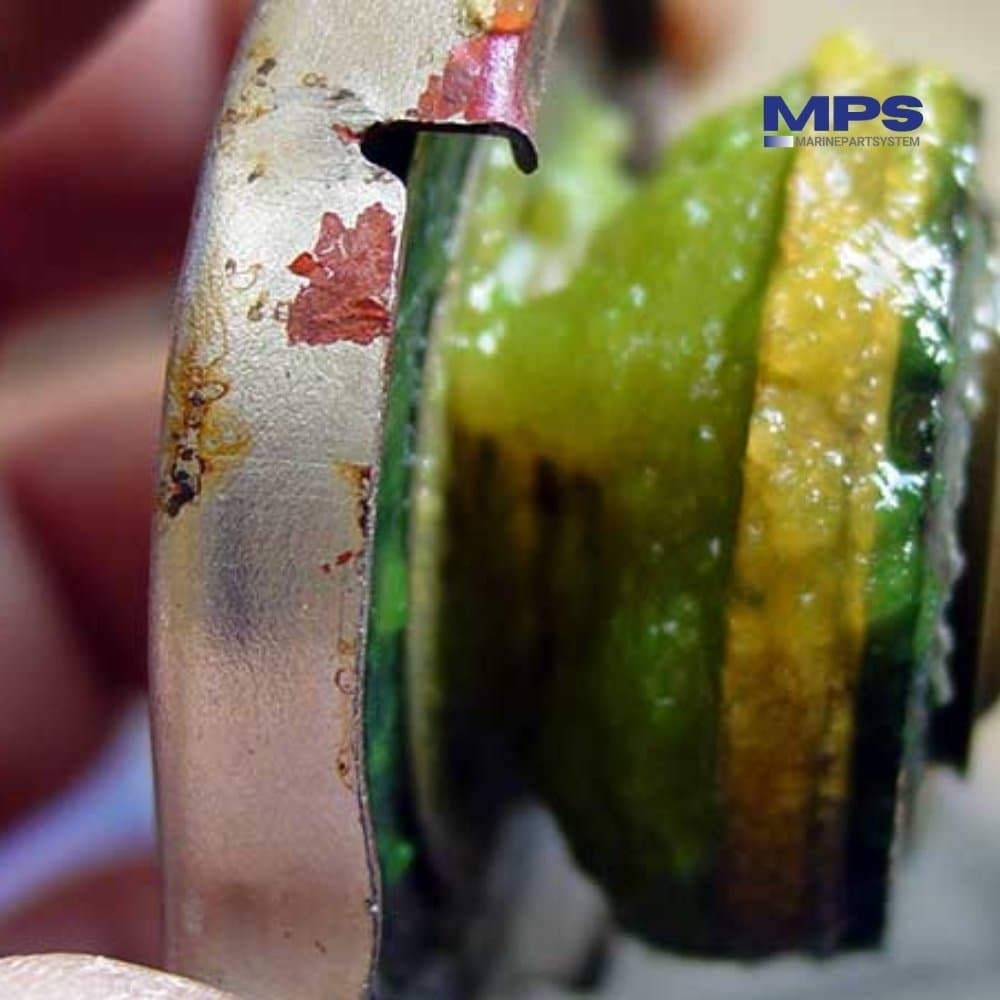
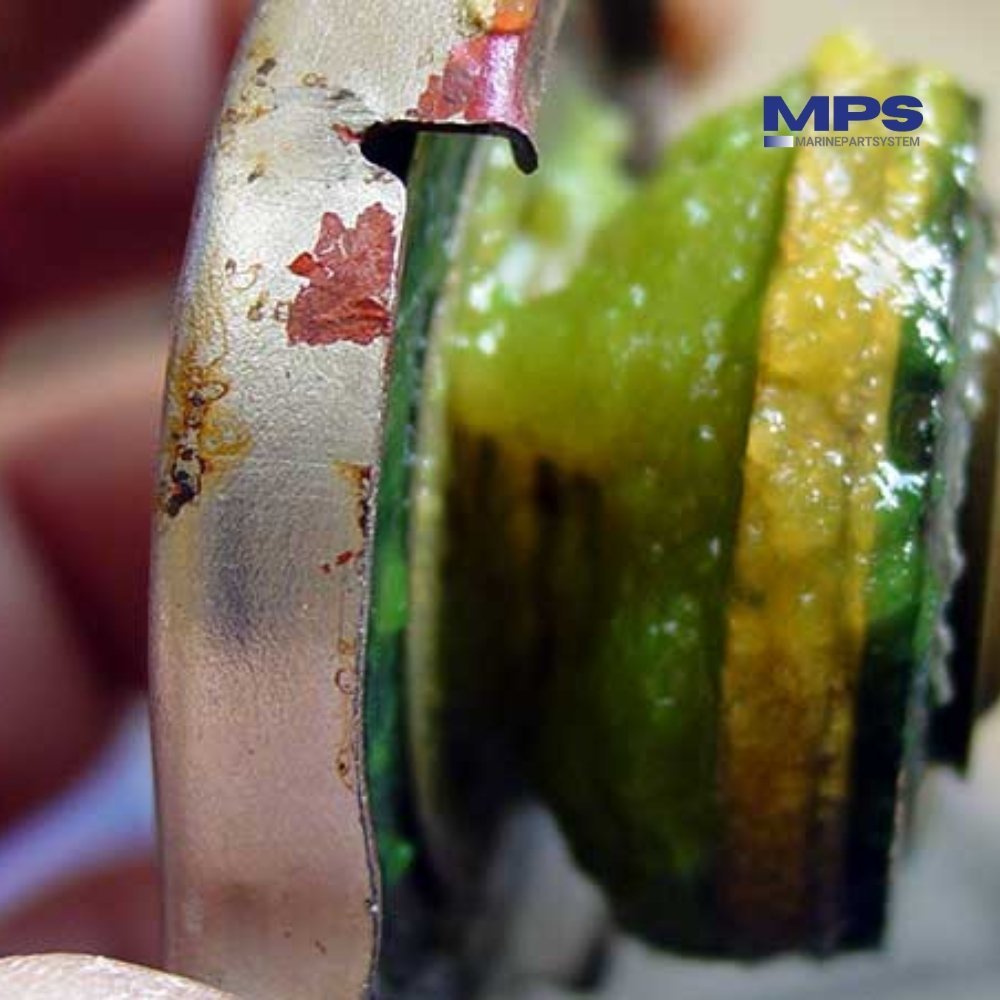
Using the wrong coolant or mixing incompatible types can cause sludge, corrosion, and overheating. Here’s an example of coolant mixed incorrectly:
🛒 Buy Volvo Penta Coolant at MPS
Shop OEM-approved Volvo Penta coolant directly from MPS for all engine models. Our products include:


❓ Frequently Asked Questions
- Can I mix green and yellow coolant? – No, always flush the system first before changing coolant types.
- Is color the same as specification? – No, always follow OEM specification.
- How do I measure freezing point? – Use a refractometer or hydrometer for accuracy.
- What if I don’t know what coolant is inside? – Flush the system and refill with the correct Volvo Penta coolant.
🌿 Safety, Environment & Warranty
- Always use a proper container when draining old coolant.
- Never dispose of coolant in bilges, soil, or waterways; treat as chemical waste.
- Incorrect coolant use may void engine warranty. Follow manufacturer guidelines.
By following this comprehensive guide and using the correct Volvo Penta coolant, you can ensure your marine engine operates at peak performance for years, avoid costly repairs, and maintain safe operation in all conditions.
