Heat exchangers and aftercoolers
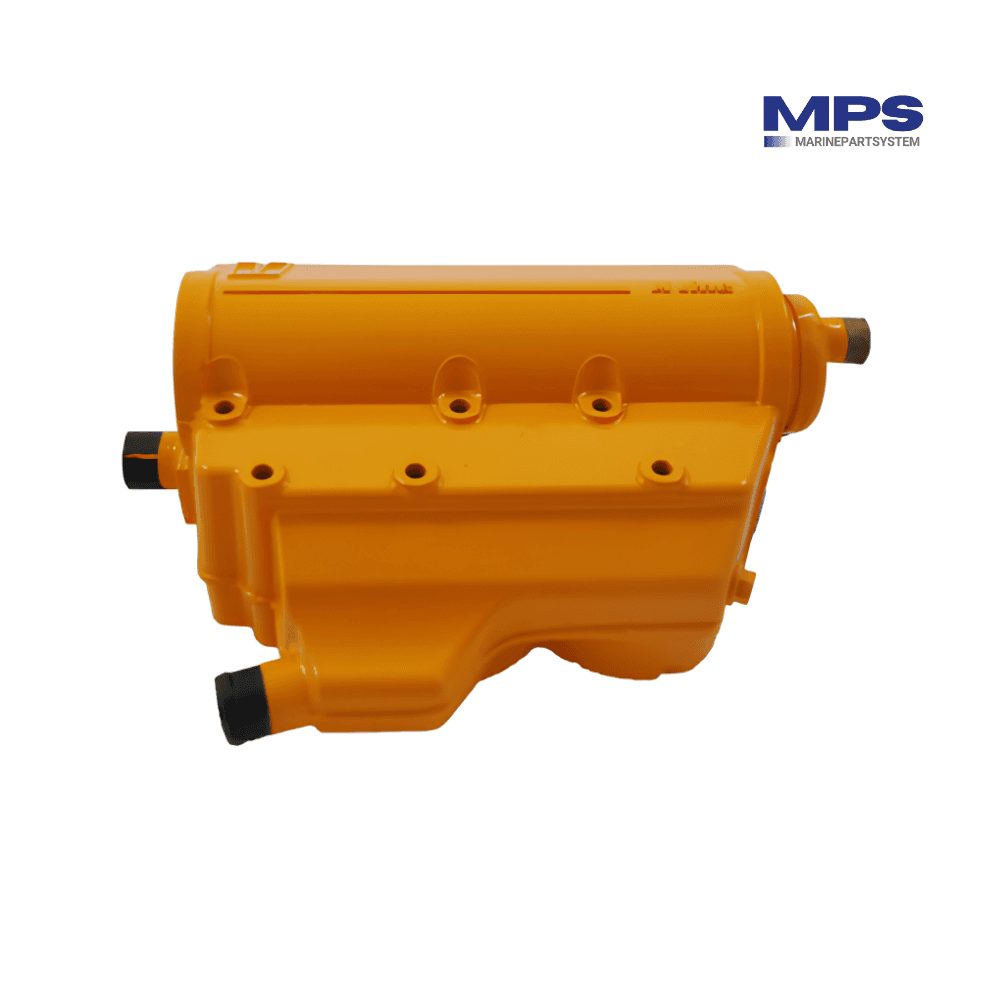
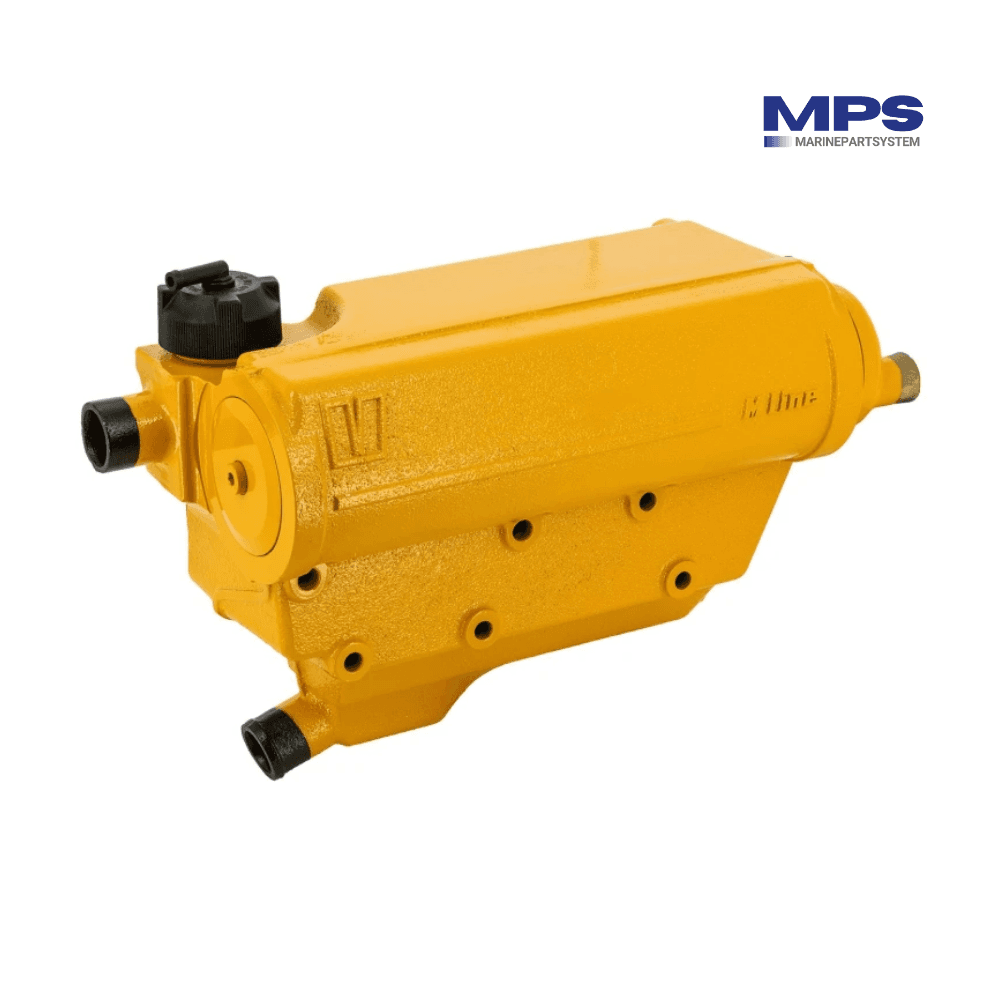
A heat exchanger transfers heat from the engine coolant to the seawater passing through the cooling system. An aftercooler has a different job. It cools the compressed intake air on turbocharged engines before the air enters the engine.
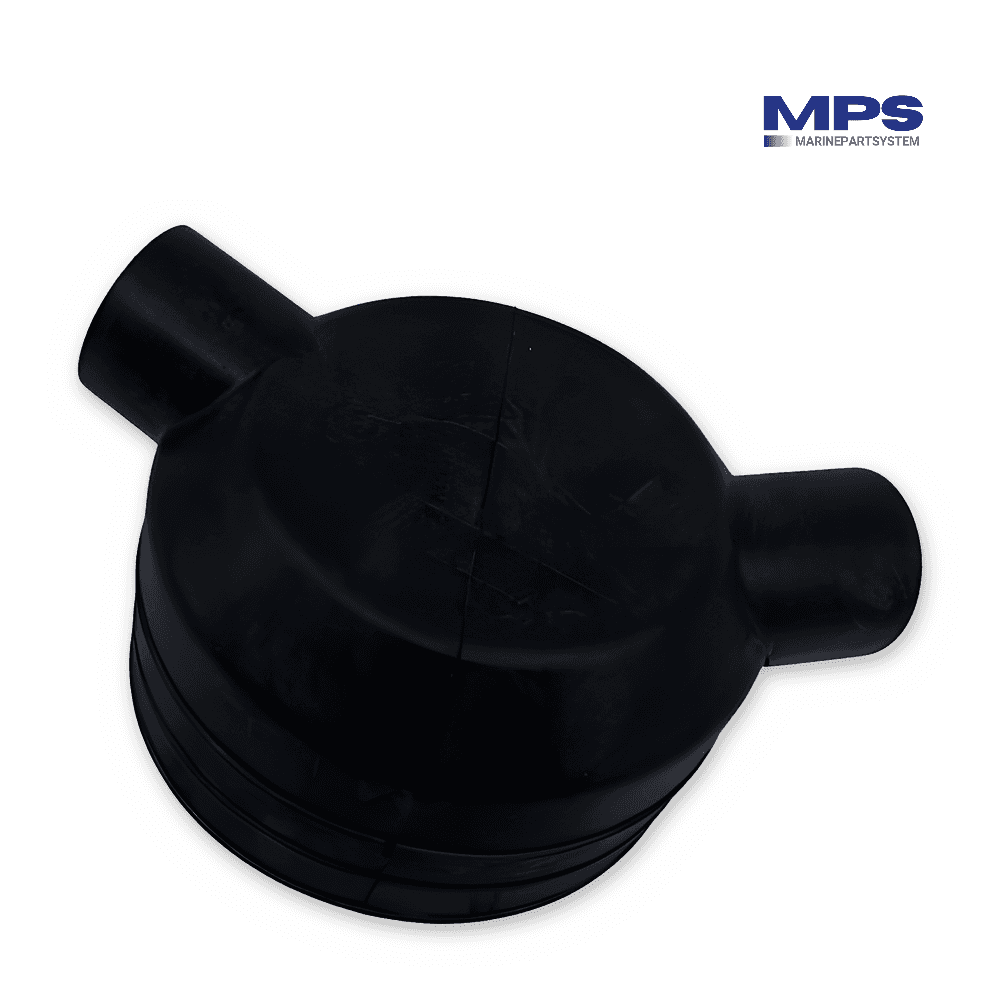
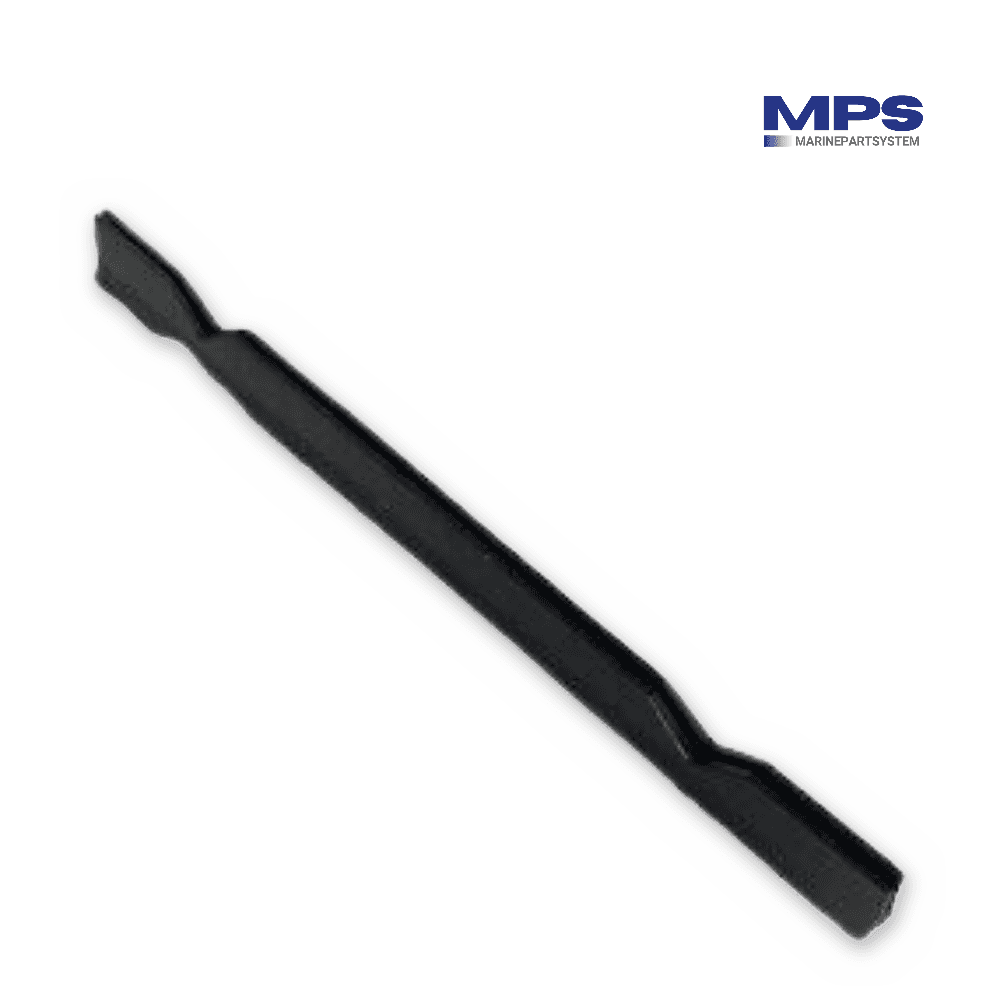
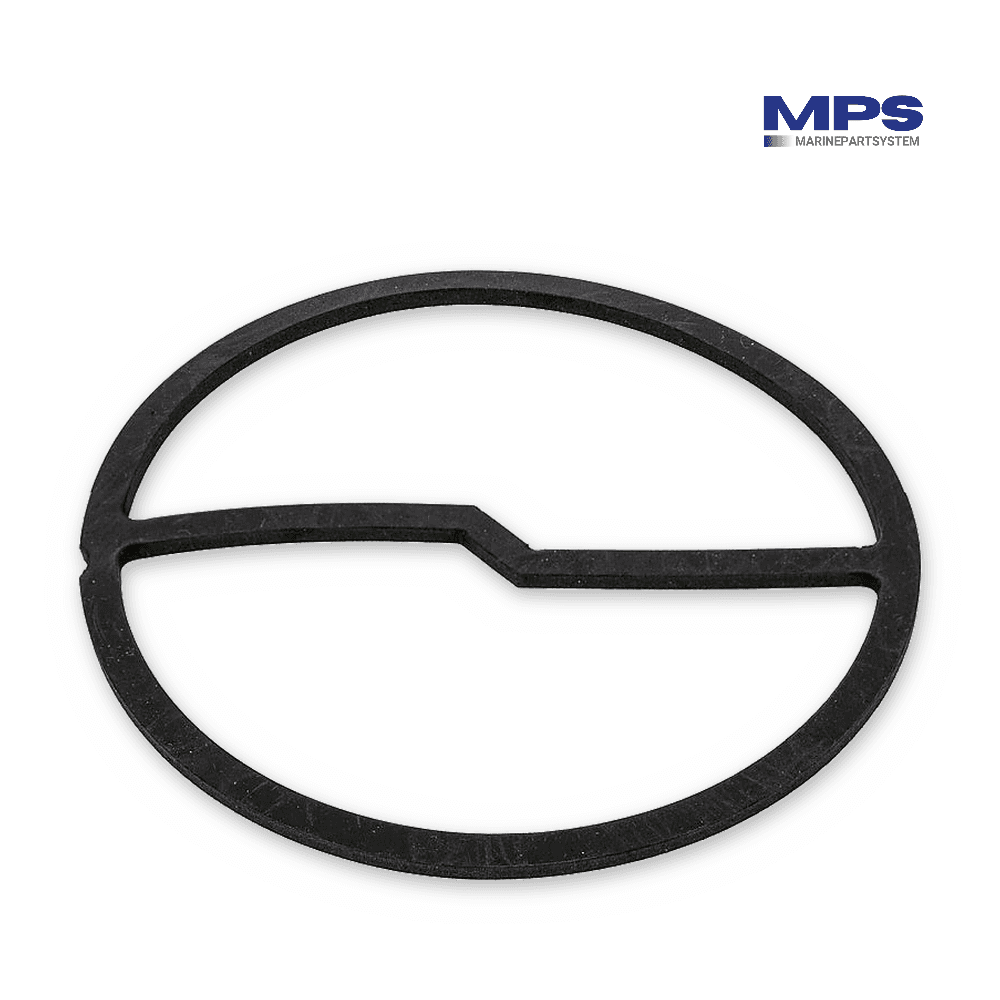
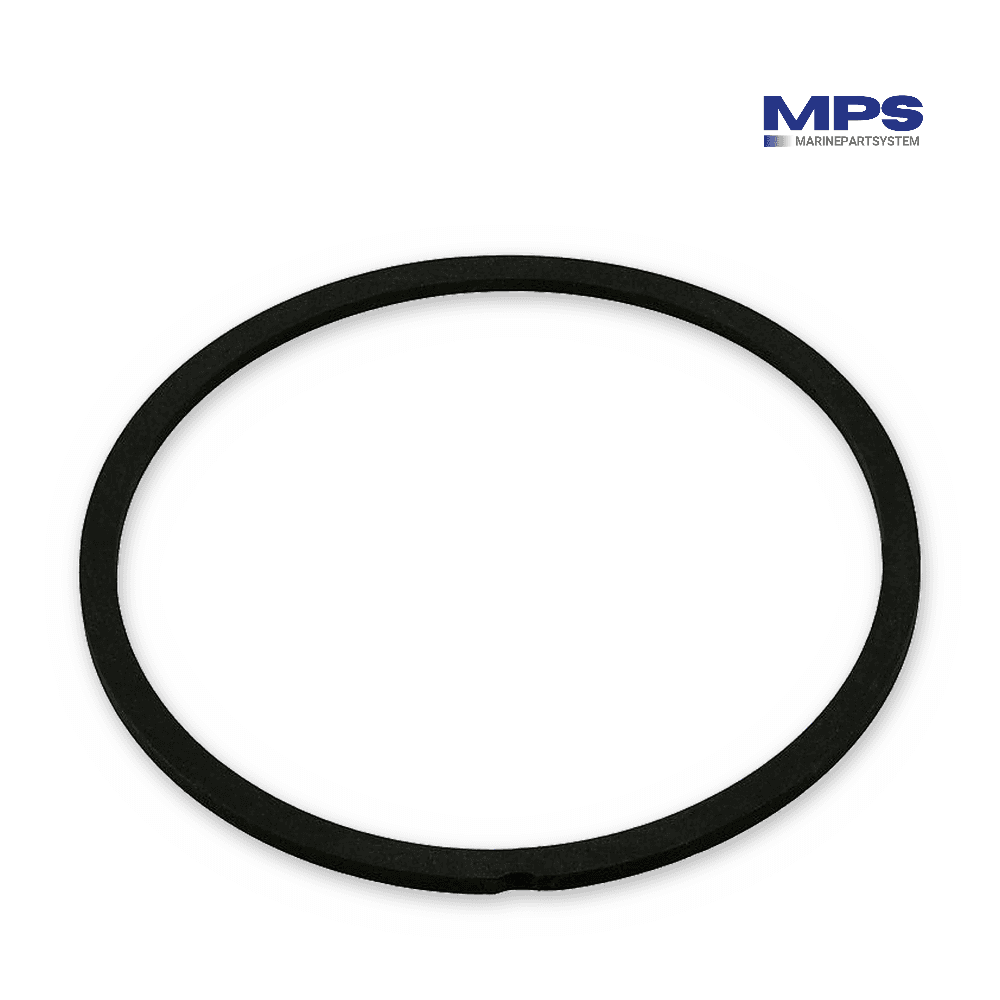
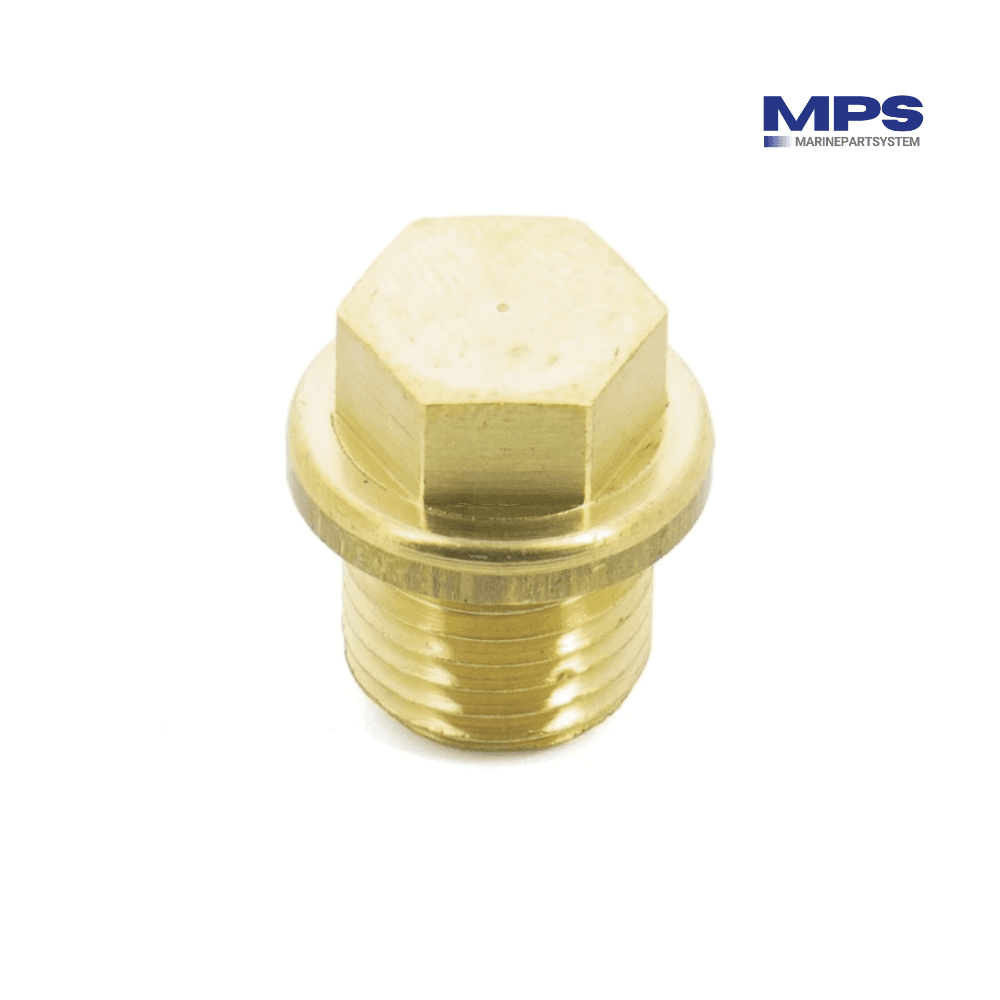
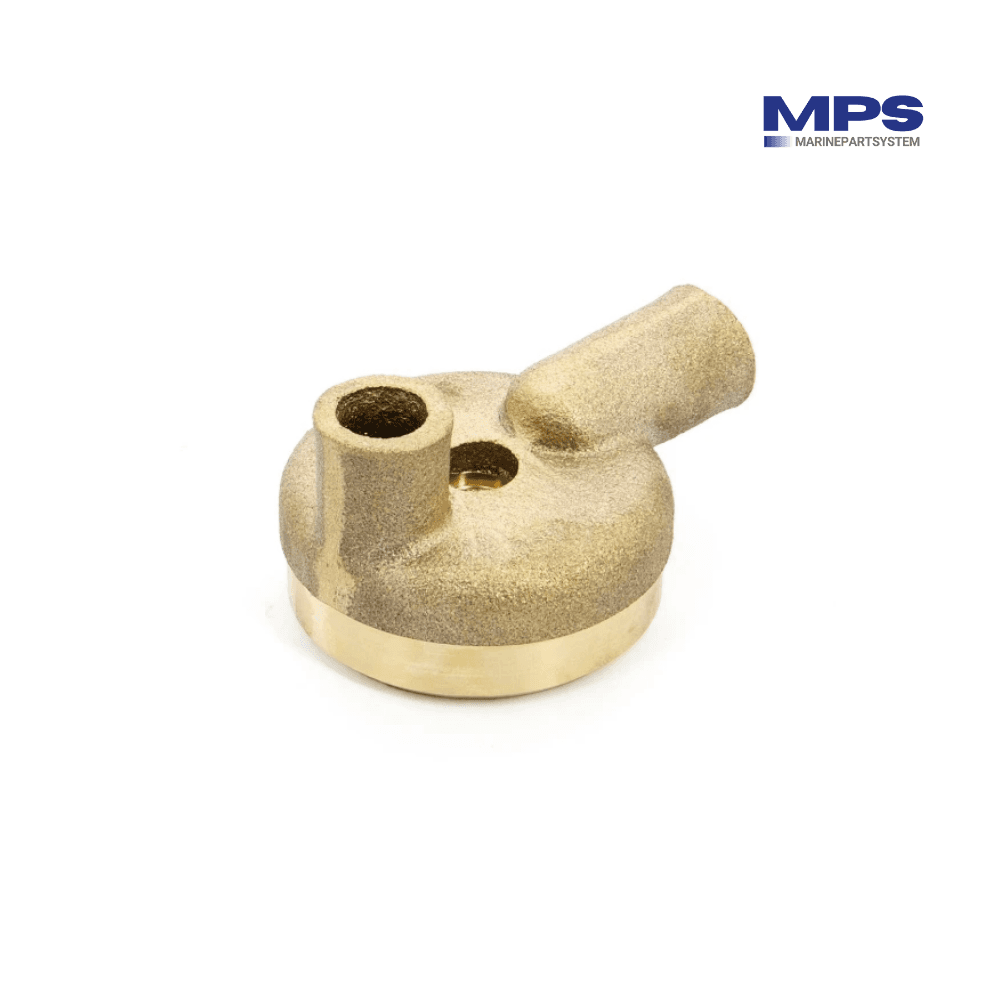
Here you’ll find complete heat exchangers and aftercoolers, as well as end caps, sealing rings, gaskets and other repair parts. Depending on the product, genuine, aftermarket, used and refurbished options may be available. The condition and what is included are shown on the product page.
If you are checking the complete cooling circuit, visit our
Cooling Systems category for pumps, pipes, hoses and other related parts.
Common heat-exchanger problems
Seawater, scale and corrosion can gradually restrict the small passages inside a heat exchanger. Damaged end-cap seals or O-rings can also cause leaks. Possible warning signs include an engine running hotter than normal, coolant loss, seawater leakage or corrosion around the end caps.
Before replacing a complete heat exchanger, check whether the problem is caused by a seal, end cap or blockage. Some units can be cleaned or repaired, while others may need to be replaced. The correct choice depends on the condition of the housing and internal parts.
Also check the seawater pump, impeller and coolant circulation. A new heat exchanger will not solve an overheating problem when water flow is restricted elsewhere. Complete seawater pumps can be found in our
Water Pumps category.
Aftercooler inspection and repair
Aftercoolers should be checked for dirt, corrosion, damaged seals and signs of leakage. A problem inside the aftercooler can affect airflow or allow water and air to leak where they should not.
When opening an aftercooler, use the correct seals and gaskets during assembly. You can find related O-rings and gasket sets among our
engine gaskets.
Check the part number carefully
Heat exchangers and aftercoolers can change between versions of the same engine. The housing, end caps, pipe connections and internal elements may differ.
Compare the original part number with the numbers on the product page. Also check the complete engine model and serial number. If the number is unreadable, send us clear photos of the unit, connections and identification plate. We can then help you check the correct replacement or repair parts.